The Architecture of AI Supremacy
Energy Sovereignty as the New Frontier of the Global Arms Race
By 2026, global technological dominance has transcended the refinement of algorithms or the sheer scale of data lakes. We have entered a period of acute “compute-energy scarcity,” where the race toward Artificial General Intelligence (AGI) is won or lost on the availability of terawatt-hours and the strategic orchestration of power. In the United States, the stakes are absolute: we must either facilitate an unprecedented expansion of AI capacity to safeguard Western leadership or concede the field to adversaries willing to disregard ecological and ethical mandates in pursuit of total hegemony. For the modern infrastructure leader, technical proficiency in code is no longer sufficient. One must now master the intersection of geopolitics, the physics of national power grids, and the emerging macroeconomics of “kilowatt inflation.”

IT Modernization Leadership
Navigating Multi-Site Operations for Industrial Executives
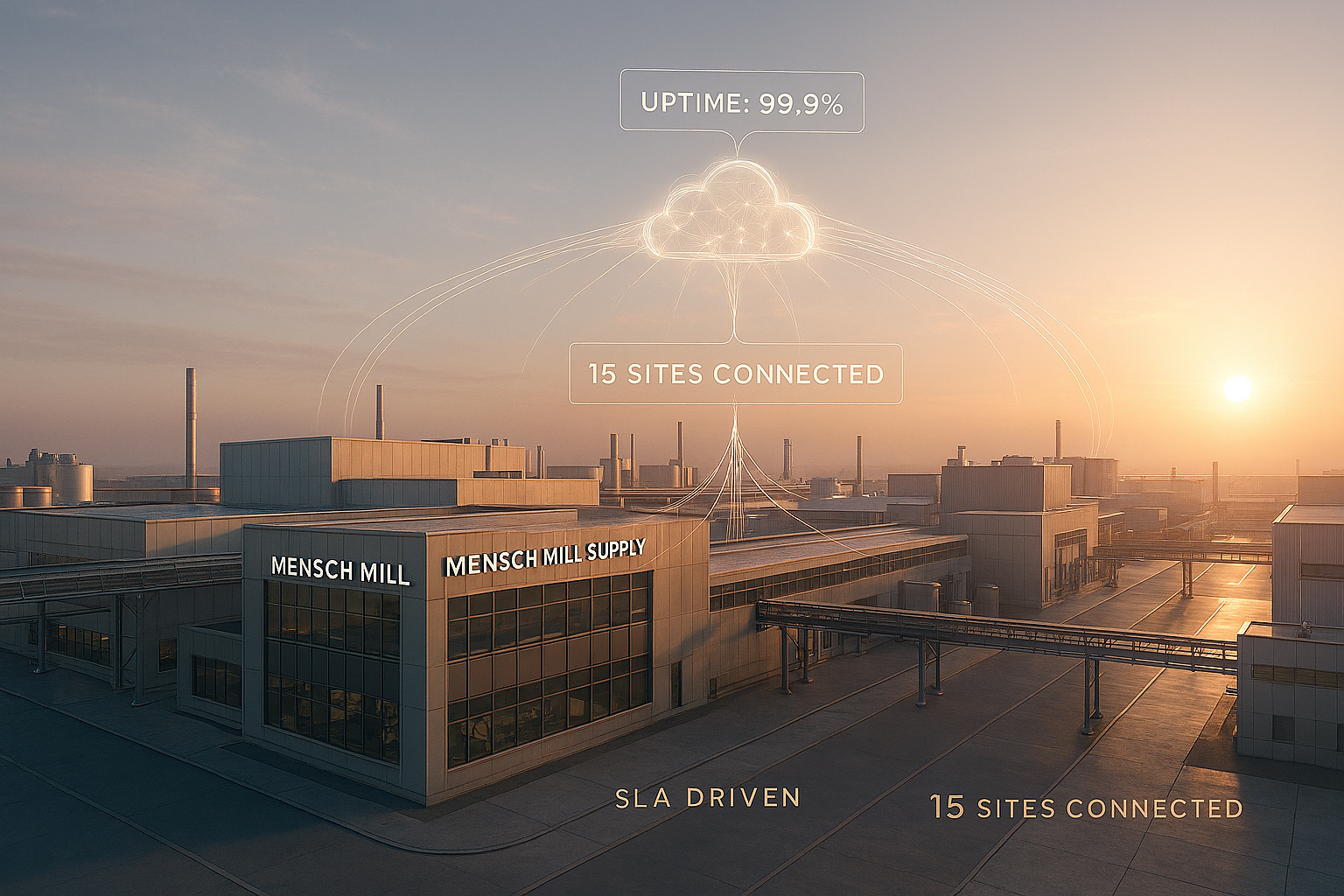
For the executive leadership of U.S. manufacturing corporations in 2026, information technology has definitively transcended its role as a support function, evolving into the central nervous system of multi-site operations. In an environment where business logic is distributed across fifteen geographically dispersed facilities and the workforce exceeds 150 corporate users with rigorous uptime requirements, IT modernization leadership demands more than technical proficiency; it requires a deep mastery of risk-oriented management and strategic foresight. The experience of spearheading infrastructure transformations at Mensch Mill Supply & Lumber Corp demonstrates that maintaining 99.9% availability 24/7 is not the result of individual heroics, but the direct consequence of implementing a disciplined SLA methodology and enterprise-wide process standardization. The primary managerial challenge within the industrial sector lies in overcoming the inertia of legacy systems and the fragmentation of operational sites, which have historically evolved as autonomous silos with disparate standards. An effective leader must synthesize this fragmentation into a single, high-performance ecosystem where the velocity of data exchange between the shop floor and the corporate headquarters becomes a quantifiable and scalable competitive advantage.
Replacing VOIP Infrastructure
A Strategic, ROI-Driven Approach to Cost Optimization and Operational Connectivity
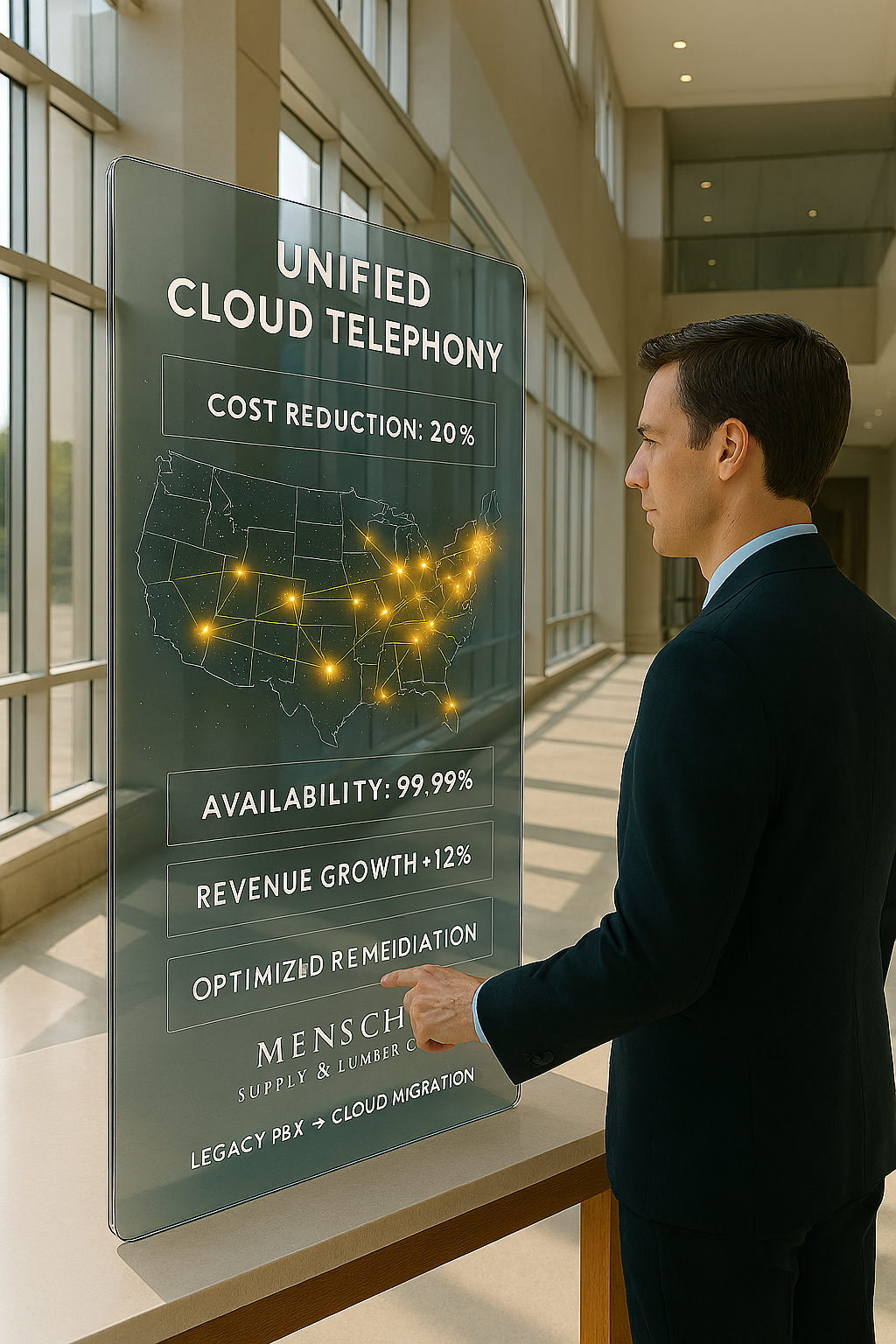
In the current cost structure of U.S. manufacturing and logistics enterprises, telecommunications maintenance is traditionally viewed as an unavoidable burden. However, by late 2025, legacy telephony has definitively transitioned from a utility service into a hidden financial barrier. The comprehensive modernization of the VoIP infrastructure at Mensch Mill Supply & Lumber Corp illustrates how migrating from fragmented legacy systems to unified cloud solutions can bridge the technological divide between branches while delivering a direct budget reduction of 20%. The primary challenge for many established American firms lies in “infrastructure debt,” where disparate analog lines and aging digital Private Branch Exchange (PBX) systems generate cascading inefficiencies. These manifest as direct maintenance costs rising 5-7% annually due to inflationary pressures, as well as significant hidden operational losses. Statistical analysis revealed that the inability to seamlessly transfer calls between remote warehouses and central offices resulted in the loss of up to 12% of inbound business inquiries a critical impact on revenue within the highly competitive building materials distribution sector.
Vulnerability Remediation
Beyond Scanning – A Strategic Approach to Risk Reduction
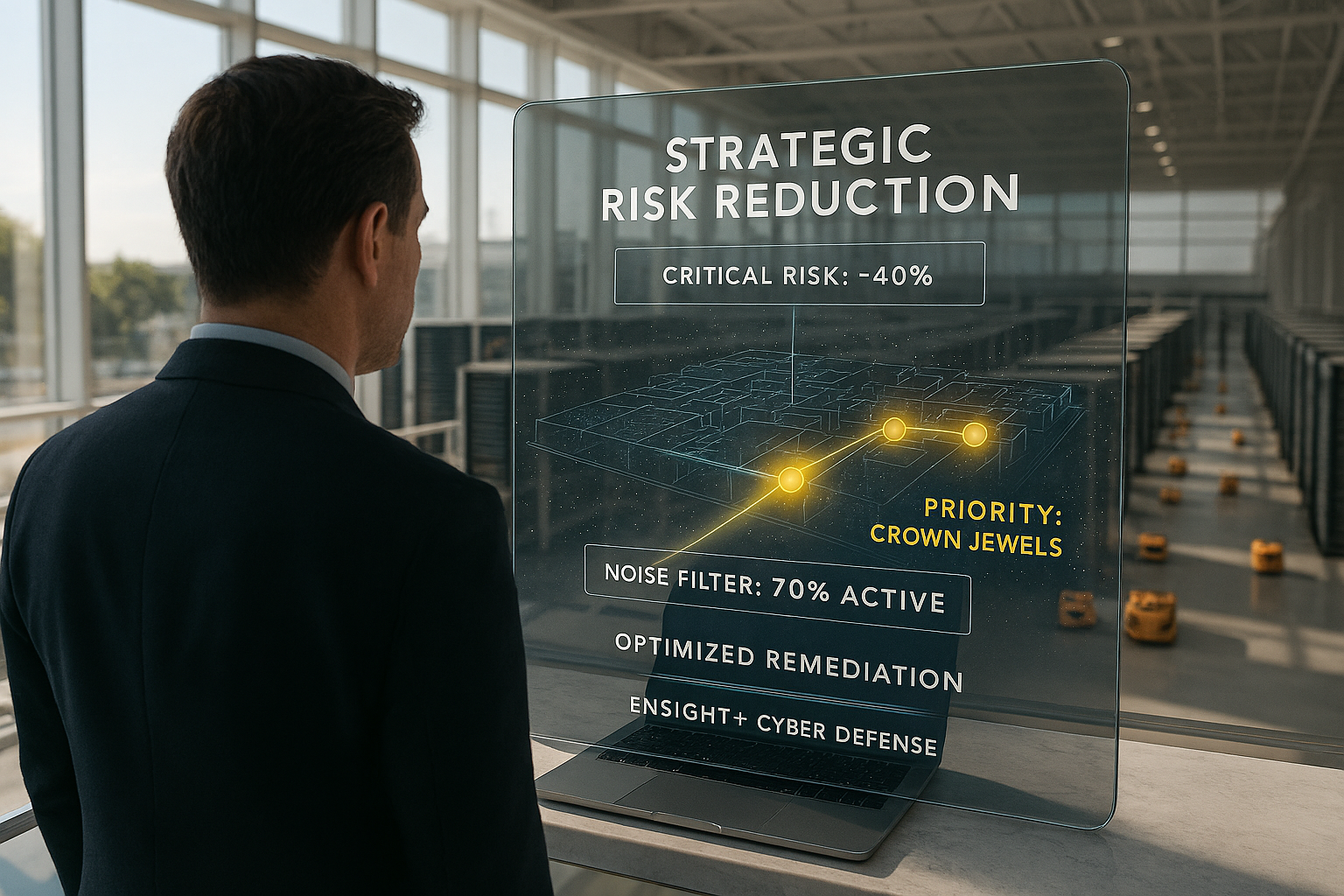
For modern American enterprises, cybersecurity has long evolved beyond mere software ownership and into the realm of operational risk management. One of the most pervasive challenges in the Enterprise segment remains “alert fatigue”, security departments are frequently overwhelmed by thousands of vulnerability scanner reports that produce exhaustive lists of technical flaws without providing business context. The transformation of processes at EnSight+ demonstrates that the key to achieving a 40% reduction in actual risk within just six months lies not in increasing scanning frequency, but in adopting a strategic prioritization methodology known as the Vulnerability Management Lifecycle. We recognized that the indiscriminate “patching by the list” is an unsustainable approach that consumes vast resources while offering minimal impact on the organization’s factual security posture.
Adaptive Endpoint Defense
Orchestrating CrowdStrike and Armor Anywhere for Distributed Teams
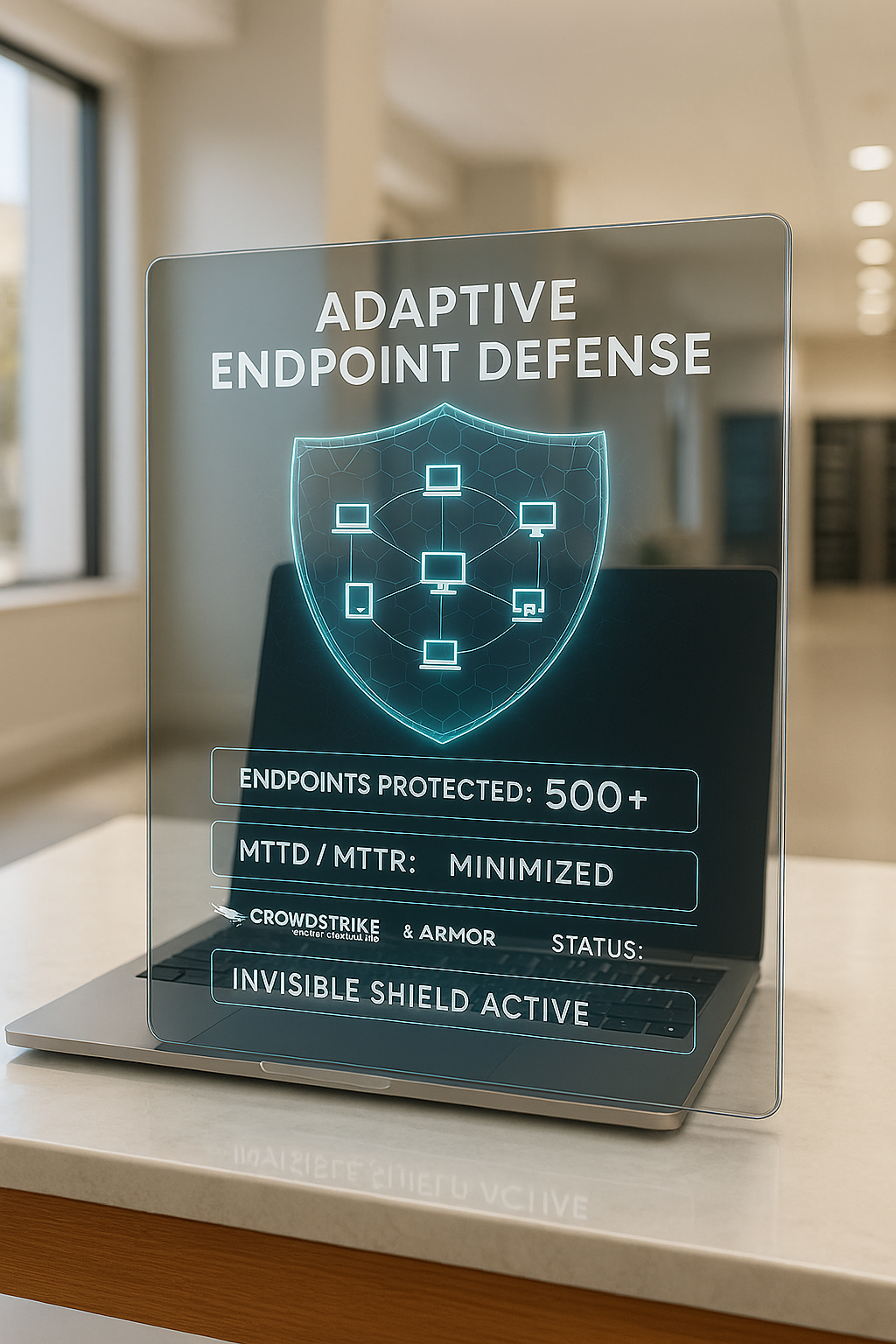
By late 2025, the concept of the “security perimeter” in the U.S. corporate sector has definitively shifted from office walls to the individual workspaces of remote employees. With the widespread adoption of hybrid and fully remote models, endpoints have become the primary attack vector, serving as the top target for ransomware operators and Advanced Persistent Threat (APT) groups. Traditional legacy antivirus (AV) solutions, reliant on signature-based detection, are no longer capable of countering sophisticated fileless attacks and zero-day exploits. This reality has accelerated the U.S. market’s transition toward EDR/XDR standards. The experience of managing security for a distributed network of over 500 active endpoints at EnSight+ demonstrates how the strategic orchestration of cutting-edge tools creates an adaptive shield without compromising the operational agility of engineers and developers. In an era where every access point is a potential vulnerability, security must cease to be an external add-on and become an intrinsic property of the work environment itself.
Infrastructure DevOps
A Strategic Performance Analysis of Octopus Deploy and GitHub Synergy
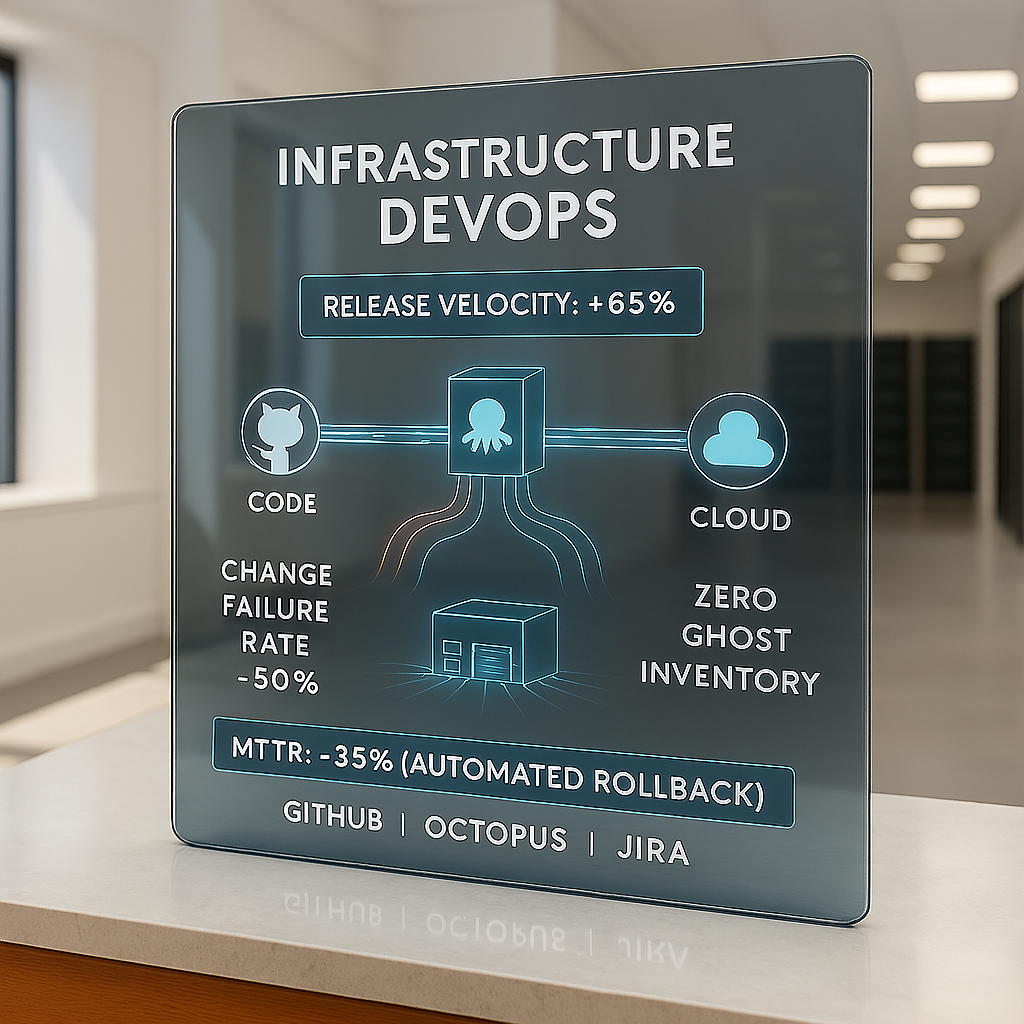
In the contemporary U.S. IT landscape, the friction between development lifecycles and infrastructure operations remains a primary inhibitor of business scalability. The challenges associated with sluggish release cycles and critical errors during manual deployments within complex, distributed environments are far more than technical hurdles; they represent direct financial risks that artificially inflate Time-to-Market. By mid-2025, Infrastructure DevOps has transitioned from an innovative trend to a fundamental requirement for organizational survival. The deep integration of Octopus Deploy, GitHub, and Jira demonstrates how comprehensive automation of the Software Development Life Cycle (SDLC) can radically transform IT performance, turning chaotic manual interventions into a predictable, high-output value delivery pipeline.
Supply Chain Resilience
Why Network Modernization is the Real Cure for Industrial ERP Latency
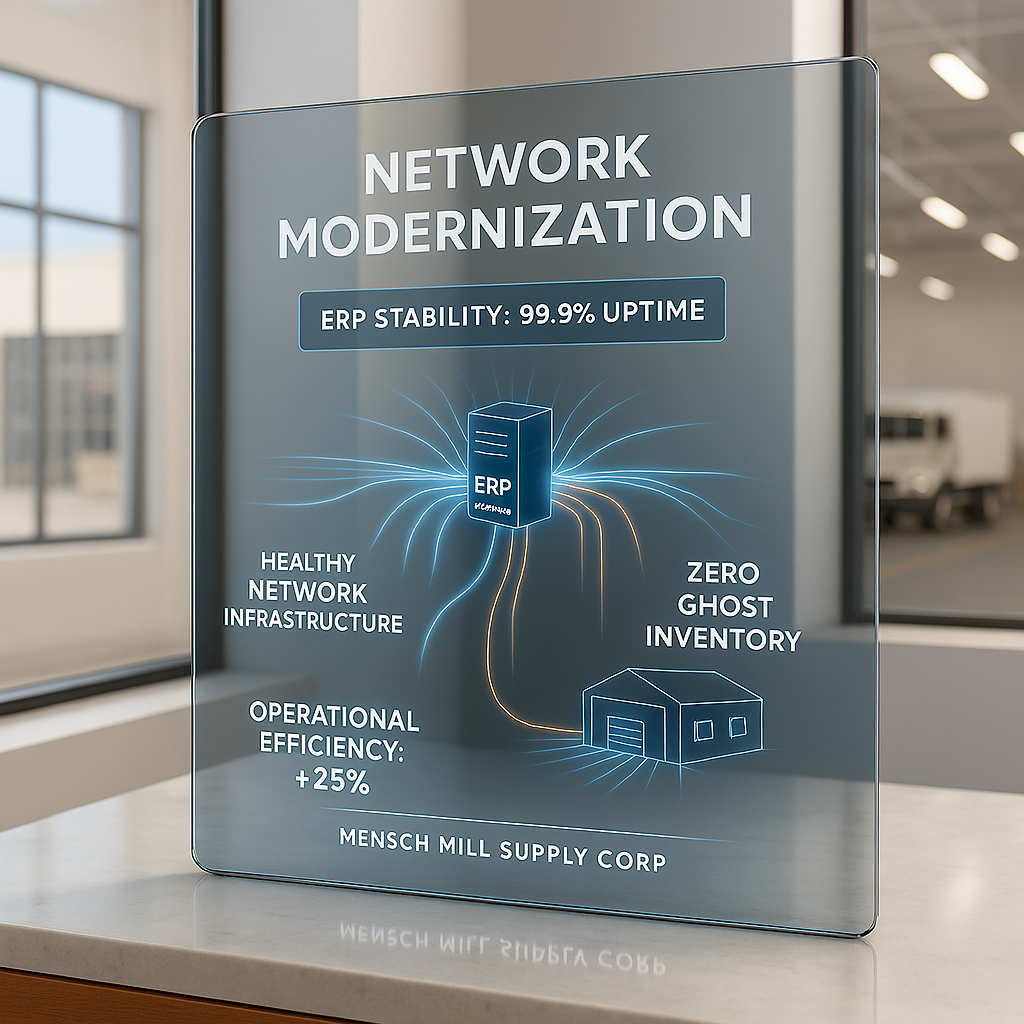
In the U.S. building materials distribution sector, a systemic challenge persists that many industry leaders choose to overlook, while front offices aggressively adopt cloud-native CRMs and AI-driven analytics, back offices and warehouses often continue to operate on decade-old infrastructure. When enterprises like Mensch Mill Supply & Lumber Corp enter a phase of rapid scaling, it is rarely the sales force that falters first it is the network foundation. Legacy cabling, overloaded switches, and antiquated firewalls create an “infrastructure thrombus” that chokes even the most robust ERP systems, such as SAP or Spruce. The “bottleneck” phenomenon in industrial IT is seldom a software issue; more often, it is rooted in the physical degradation of the OSI layers. Inconsistent ERP access at production sites means warehouse terminals lose database connectivity precisely during peak shipping hours. In the U.S. market, where “Just-in-Time” logistics is the gold standard, a mere fifteen-minute delay in inventory synchronization can trigger a cascading failure of delivery schedules across an entire region. Resolving this requires more than superficial “patching”; it demands a comprehensive refactoring of both the physical and logical environments.

Supply Chain Resilience
Modernizing ERP Infrastructure for High-Volume Operations
In modern industrial logistics, business efficacy is no longer determined solely by product quality or warehousing capacity; today, it is directly dictated by the velocity and integrity of data moving through the digital arteries of the IT infrastructure. For enterprises relying on heavyweight ERP ecosystems such as SAP or Spruce, legacy infrastructure frequently becomes a critical bottleneck. Archaic network protocols and physically depreciated hardware create invisible yet formidable barriers that decelerate shipment rates and disrupt the rhythm of global supply chains. In an environment of dynamic scaling where order volumes exponentially exceed initial design capacities any micro-latency in data transmission from a remote warehouse terminal to the central database scales into tangible equipment downtime and breached contractual obligations. My experience as a Cybersecurity Infrastructure Manager confirms that many C-suite executives still tend to perceive IT as a secondary cost center, overlooking the reality that in 2026, infrastructure serves as the primary accelerator of the operational cycle.
Zero-Downtime Migration
A Seamless Strategy for Moving
Critical Workloads from Rackspace to AWS
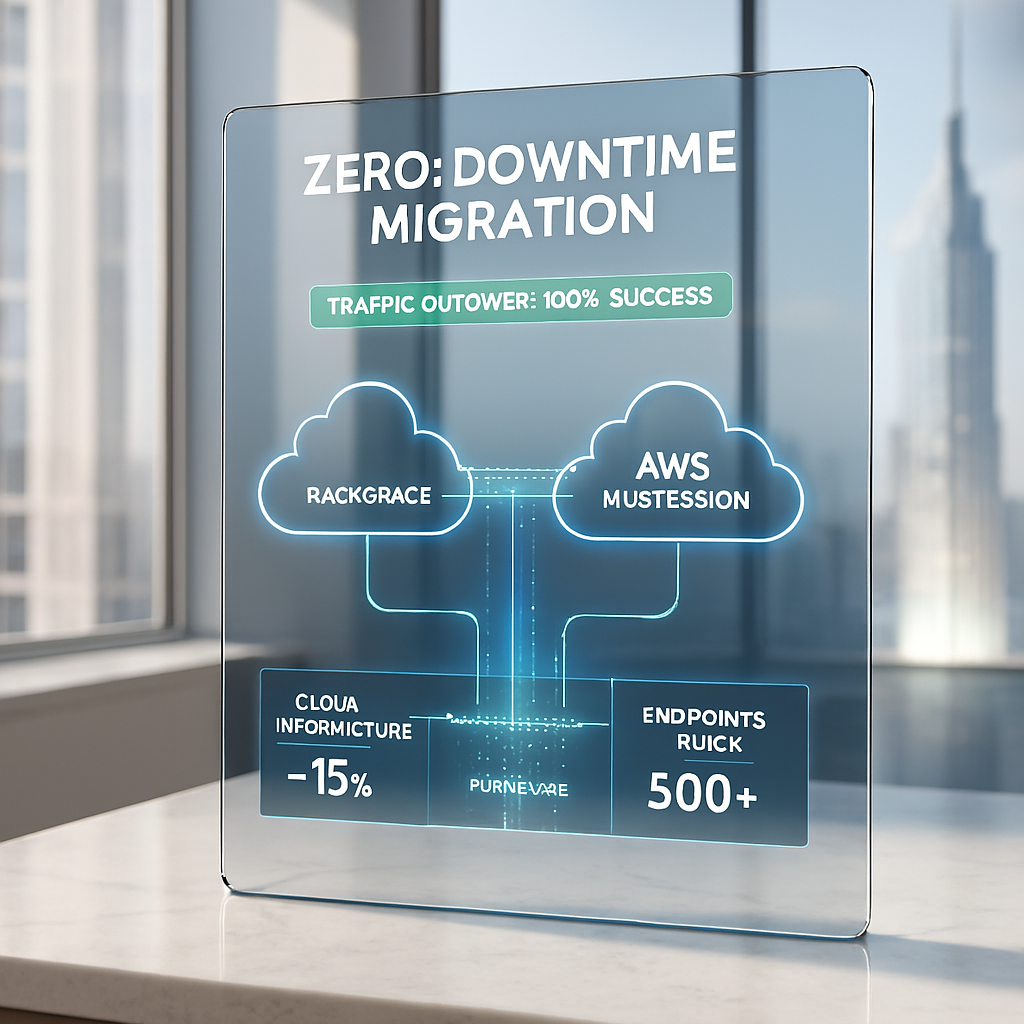
In the modern IT landscape, migrating a large-scale infrastructure is often likened to rebuilding the foundation of a fully occupied skyscraper. The EnSight+ case study, involving an ecosystem that supports over 500 active endpoints and mission-critical business services, serves as a premier example of executing such a transition under the “Zero Downtime” principle. In the hyper-competitive U.S. market, where the cost of downtime is measured in thousands of dollars per minute, any service interruption is viewed as a critical risk to operational continuity and corporate reputation. A deep analysis of similar projects reveals that the primary cause of failure is the underestimation of network latency and the inevitable session drops during traffic cutover. In this project, the situation was further complicated by a distributed device architecture requiring continuous, low-latency data exchange with central databases. To neutralize these risks, a hybrid network architecture was engineered, establishing a unified L3 space between Rackspace and AWS regions via Multi-region Site-to-Site VPN. This enabled new instances to interact with legacy infrastructure within a single local network, effectively eliminating jitter and preventing data corruption during the synchronization phase.

The Sunset of Traditional IT
Why a Systems Engineer Without SecOps Proficiency Is a Business Liability in 2024
The time has come for the antiquated rules of the IT industry to be not merely questioned, but discarded entirely. We are living in an era where the demarcation line between “systems administration” and “cybersecurity” has vanished. While five years ago a systems engineer might have enjoyed the luxury of focusing solely on “keeping the servers running,” today such a stance is an open invitation to catastrophe. The reality is stark: in the modern high-tech landscape, every engineer is, by default, a security officer whether they acknowledge it or not.
Data Integrity in High-Concurrency Environments
Architectural Resilience for Global Supply Chains
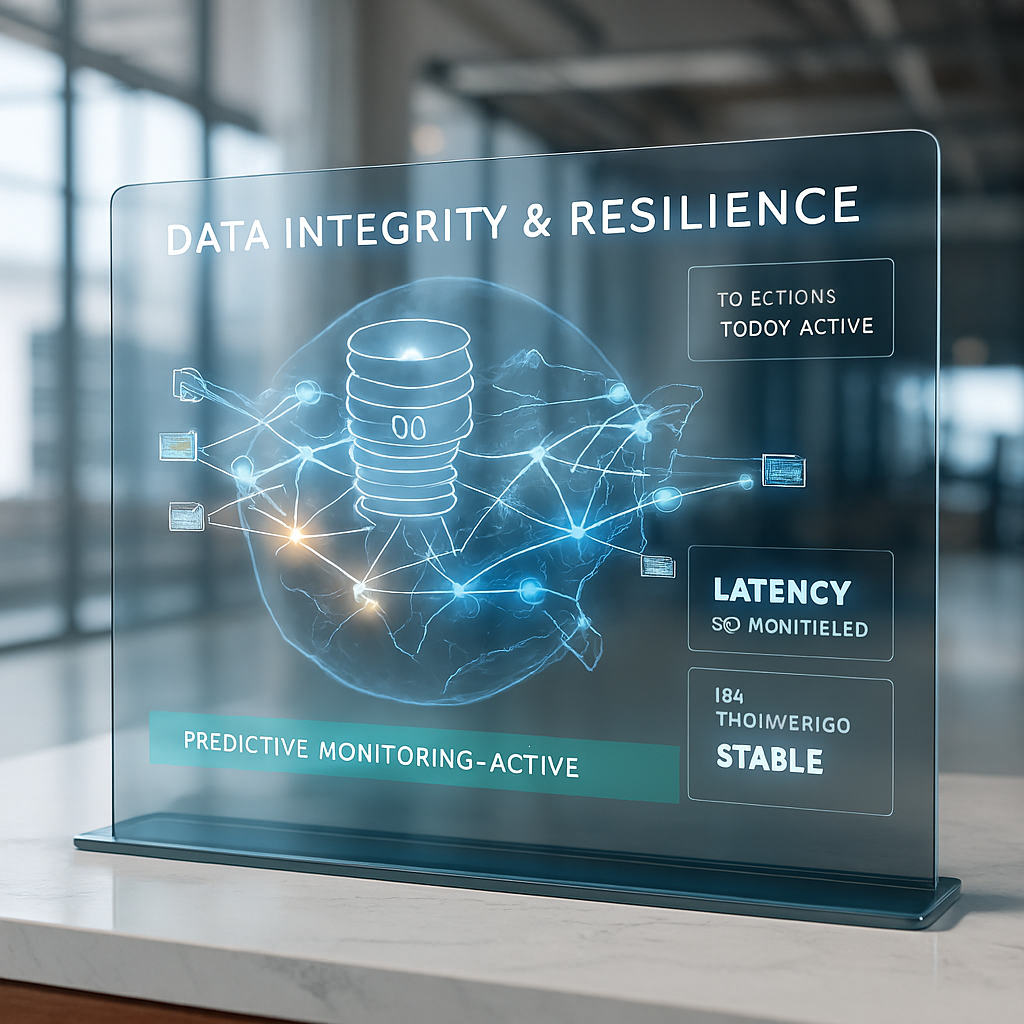
In the modern global economy, a database is no longer a mere repository; it has evolved into the foundational infrastructure upon which all operational logistics are constructed. For leading industrial enterprises whose business processes are deeply integrated into international supply chains, any performance degradation within the Priority ERP system scales instantaneously into direct financial losses. When an infrastructure serves over 1,500 concurrent active sessions in real-time, the cost of a single architectural oversight or an unoptimized “heavy” query escalates to the level of enterprise-scale risk. In such environments, the database functions as a living organism whose “heartbeat” directly dictates the operational viability of ports, automated fulfillment centers, and continuous production lines. The primary challenge of high-load environments lies in the accumulation of “silent” degradation: table locks, index fragmentation, and inefficient execution plans create a cumulative bottleneck effect that cannot be mitigated by simple horizontal or vertical hardware scaling.

Architecture of Survival
Technological Sovereignty and ERP Continuity in Times of Full-Scale Crisis
October 7, 2023, marked a definitive point of no return for Israel a moment when the concept of Disaster Recovery (DR) shifted from theoretical modeling to the realm of national economic survival. For a systems engineer, this was a moment of truth. As the horizon filled with smoke and sirens wailed for hours, the operational objective remained immutable: over 1,500 enterprise users within the Priority ERP ecosystem could not be allowed to feel that the world around them was fracturing. At MedaTech System Ltd, we understood the gravity of the stakes. A failure of the ERP backbone at that hour would have resulted in the immediate paralysis of medical supply chains, food distribution networks, and defense logistics. We were managing a digital fortress where every byte of data had to reach its destination, notwithstanding direct physical threats to the underlying infrastructure.
SentinelOne on the Front Lines
Surviving the 2021–2023 Cyber Warfare
In Israel, cyberspace is not a virtual sandbox; it is a visceral battlefield where operational errors cost more than just data they jeopardize the viability of entire industries. Between 2021 and 2023, Israeli Managed Service Providers (MSPs) found themselves at the epicenter of a sustained kinetic storm. These were not random malware outbreaks or trivial phishing campaigns; we faced methodical, state-sponsored, or highly organized operations designed to dismantle the infrastructure underpinning the national economy. For me, as a Senior Systems Engineer at MedaTech System Ltd, this period was a professional crucible. I witnessed enterprises built over decades dissolve in an instant due to a single missed second or a misconfigured firewall rule.

Security at Mach Speed
Safeguarding Infrastructure During Startup Hyper-GrowthSafeguarding Infrastructure During Startup Hyper-Growth
In the high-stakes world of hyper-growth startups, there exists a definitive point of no return where the sheer scale of the business begins to dictate technical requirements. One day, you are a lean group of scientists in a laboratory; the next, StoreDot is securing hundreds of millions in investment, and you are mandated to onboard dozens of high-caliber engineers every week. For a systems architect, this is the moment of truth: you either maintain the pace of the business or watch your infrastructure incinerate under the staggering weight of technical debt and security breaches. In 2021, I found myself at the epicenter of this storm, a time when traditional administration methodologies became obsolete within the first month of rapid expansion.
Converging Security Controls and Operational Agility in Multi-tenant Infrastructures
A SOC-lite Centralized Monitoring Methodology
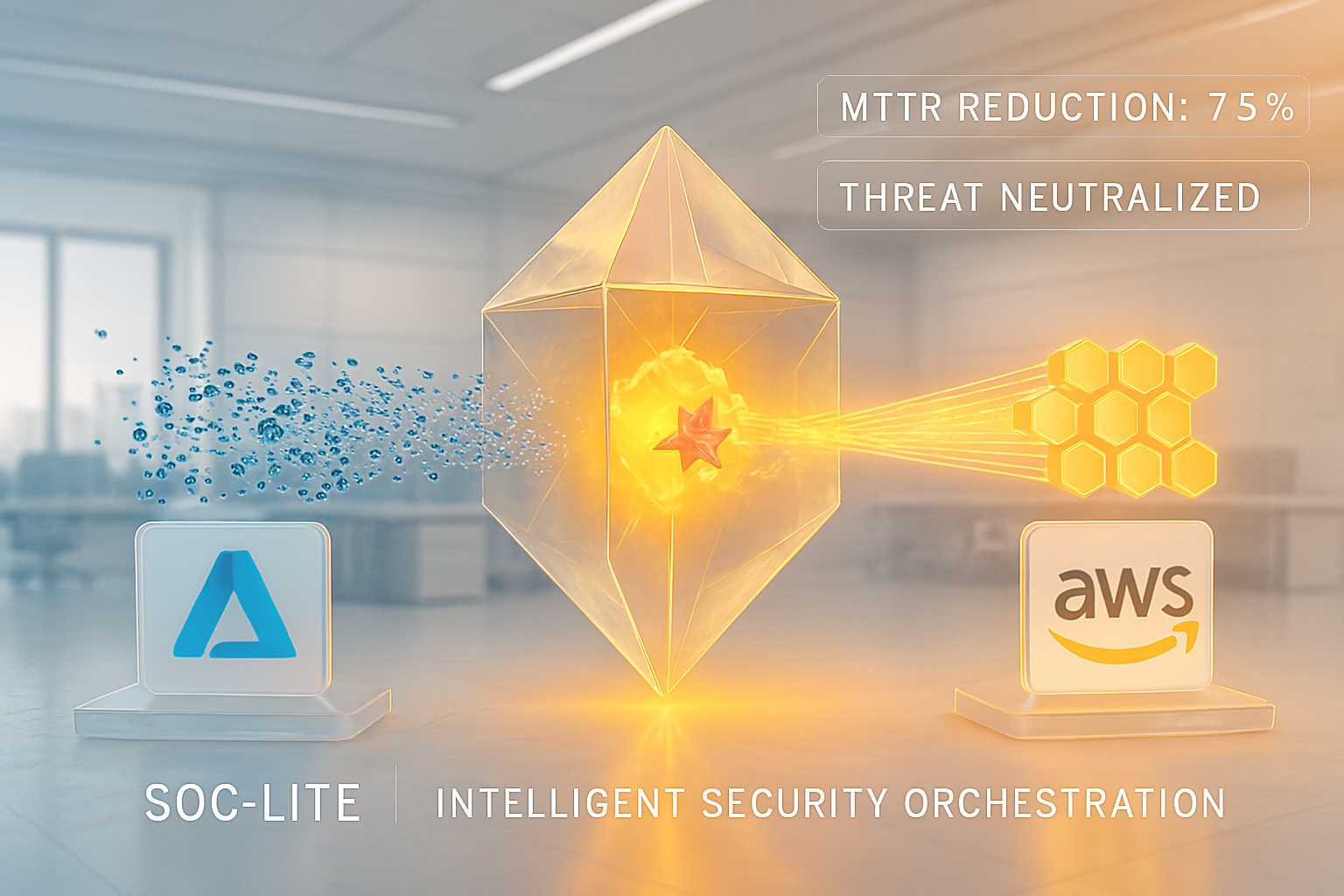
The contemporary Managed Service Provider (MSP) market faces an inherent conflict between the demand for extreme operational velocity and the necessity for rigorous, granular security oversight. At MedaTech System Ltd, we analyzed this fundamental challenge and engineered the “SOC-lite” architecture a flexible framework designed to consolidate telemetry from dozens of heterogeneous client environments into a unified analytical plane. The core limitation of traditional monitoring within an MSP ecosystem is that as the client base expands, the attack surface grows exponentially, while engineering resources typically scale only linearly. This imbalance inevitably leads to “Alert Fatigue,” where critical Indicators of Compromise (IoC) are obscured by a deluge of unstructured telemetry. This directly inflates the Mean Time to Detect (MTTD), providing adversaries with an unacceptable window of opportunity.
The Hybrid Cloud Dilemma
Securing 1,500+ Users Across a Converged Azure and AWS Ecosystem
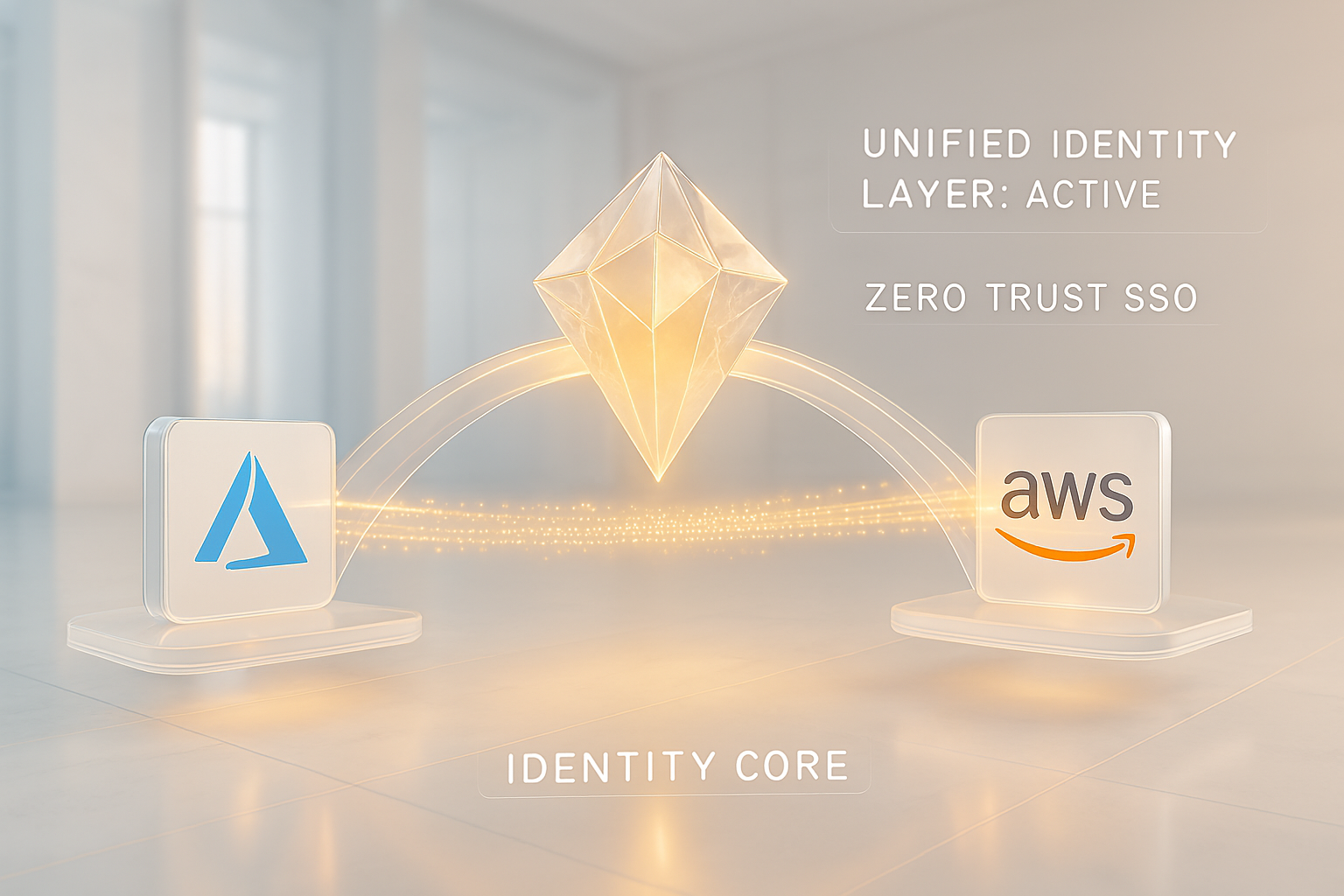
When an infrastructure scales to accommodate over 1,500 active users distributed across Microsoft Azure and AWS, an organization inevitably confronts its most formidable adversary: fragmentation. By 2022, at MedaTech System Ltd, this challenge had evolved from a technical hurdle into a strategic imperative. The divergence of security policies at the intersection of two disparate cloud service providers represents a critical vulnerability one that enterprises often overlook until the first major security incident occurs. The core issue within hybrid environments lies in the illusion of control; while each provider offers a proprietary security stack, an administrative “no-man’s-land” emerges where Azure and AWS converge. Disparate authentication protocols, inconsistent access policies, and redundant user identities create ideal attack vectors while simultaneously crippling workforce productivity.
Engineering Case Study
Accelerated Infrastructure Modernization for Store Dot R&D and Gigafactory Scaling
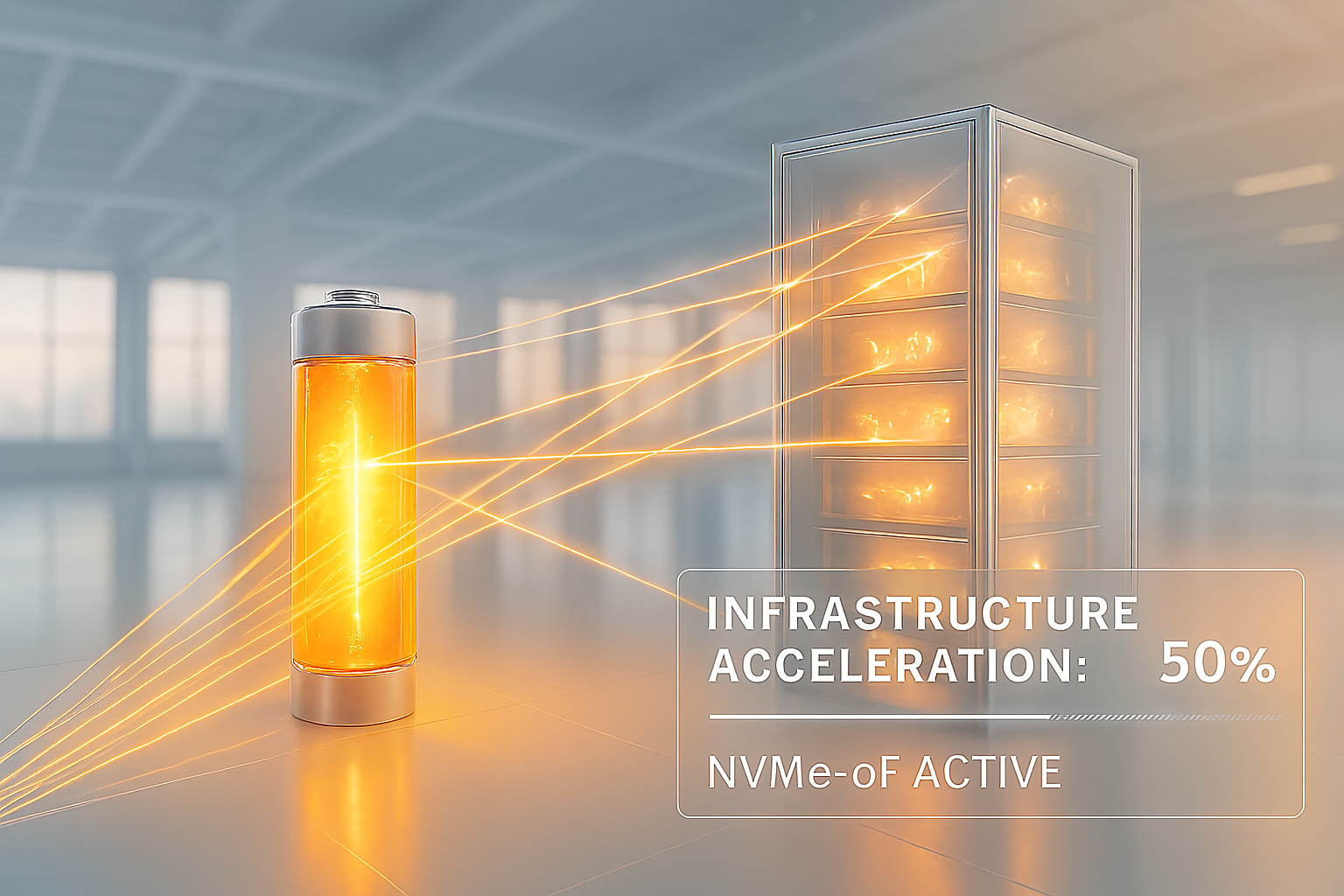
By August 2021, StoreDot’s R&D division had reached what is known in the industry as an “infrastructure ceiling.” The volume of data generated during the testing of novel electrochemical compounds for Extreme Fast Charging (XFC) batteries was expanding at a rate that far outpaced our existing processing capacity. The legacy server architecture, which had previously been sufficient for standard laboratory operations, suddenly became a critical bottleneck as the company moved toward its Gigafactory launch. In a business where Time-to-Market (TTM) is inextricably linked to the computational speed of charge/discharge cycle analysis, any performance degradation translated into immediate financial losses and a loss of strategic momentum.
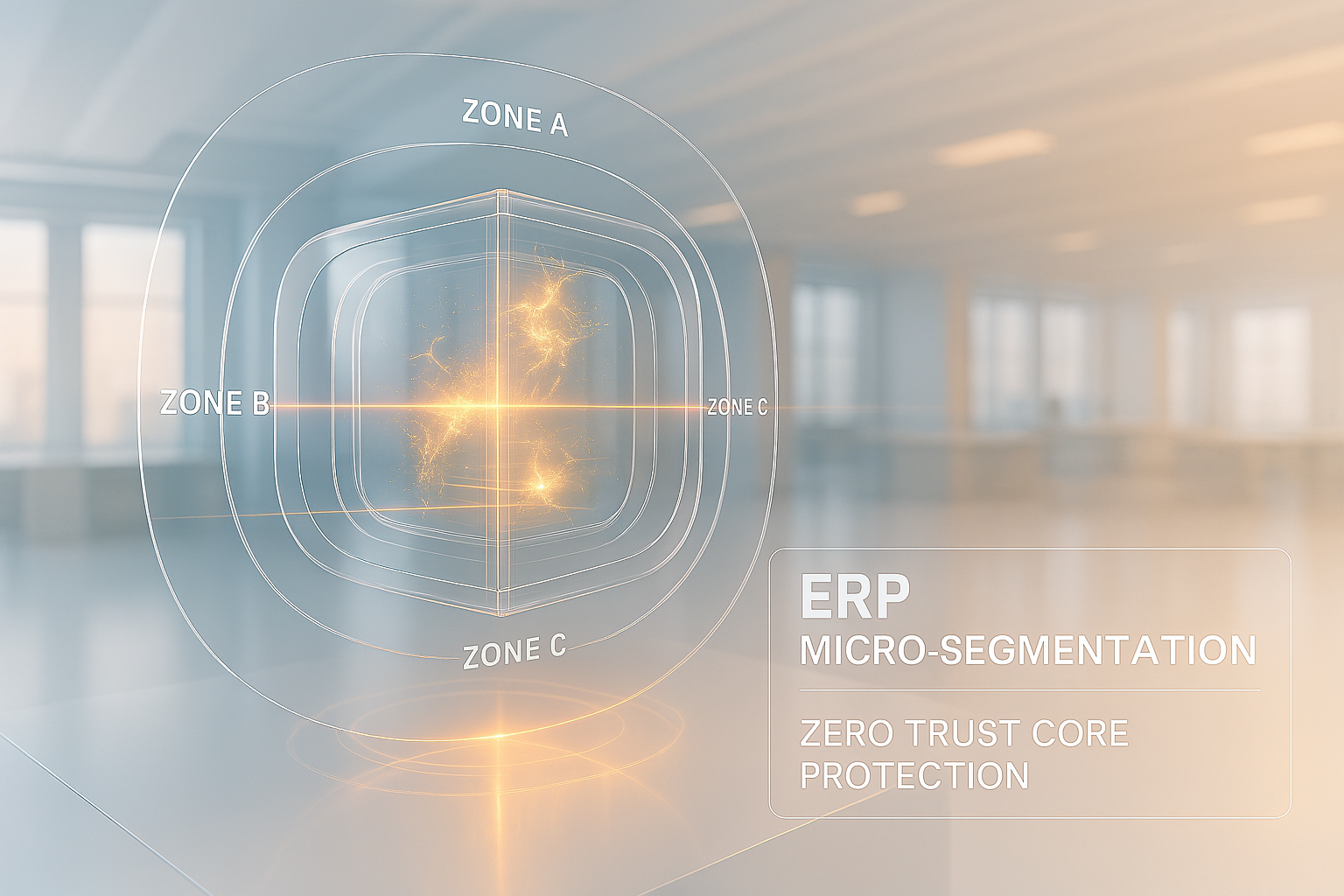
Architectural Decomposition and Micro-segmentation of Priority ERP
A Framework for Critical Node Protection Against Targeted Threats
Abstract. Modern industrial infrastructure in Israel faces an unprecedented escalation in cyber-threat complexity, necessitating a fundamental shift in the protection of Enterprise Resource Planning (ERP) systems. Traditional network topologies, predicated on perimeter integrity, have proven inadequate against sophisticated data exfiltration campaigns. In today’s ecosystems, Priority ERP functions not merely as an accounting ledger but as the central repository for intellectual property and operational logistics. The primary risk of a legacy “flat” architecture lies in the unhindered lateral escalation of an attack. Absent internal barriers, a compromised workstation within a user segment becomes an immediate staging ground for unauthorized SQL queries against the system’s core. The lack of granular traffic inspection between application and data tiers creates a critical “gray zone” where anomaly detection by standard monitoring tools is virtually impossible.
Vulnerability Management 101
Safeguarding International Enterprises in the Era of Targeted Attacks
By November 2020, the concept of a “secure perimeter” had officially become a dangerous myth, capable of lulling even the most seasoned CIOs into a false sense of security. The threat landscape for global business has undergone a radical transformation; we have observed that the most devastating breaches no longer originate from external firewall penetrations. Instead, they infiltrate from within – leveraging legitimate update channels and trusted third-party vendors. Supply Chain attacks have emerged as the ultimate weapon for APT groups and cyber-criminal syndicates, who have mastered the art of exploiting the most critical resource in our industry: the inherent trust between vendor and client.

The Migration Sprint
Orchestrating an Enterprise Cloud Transition Amidst Global Volatility
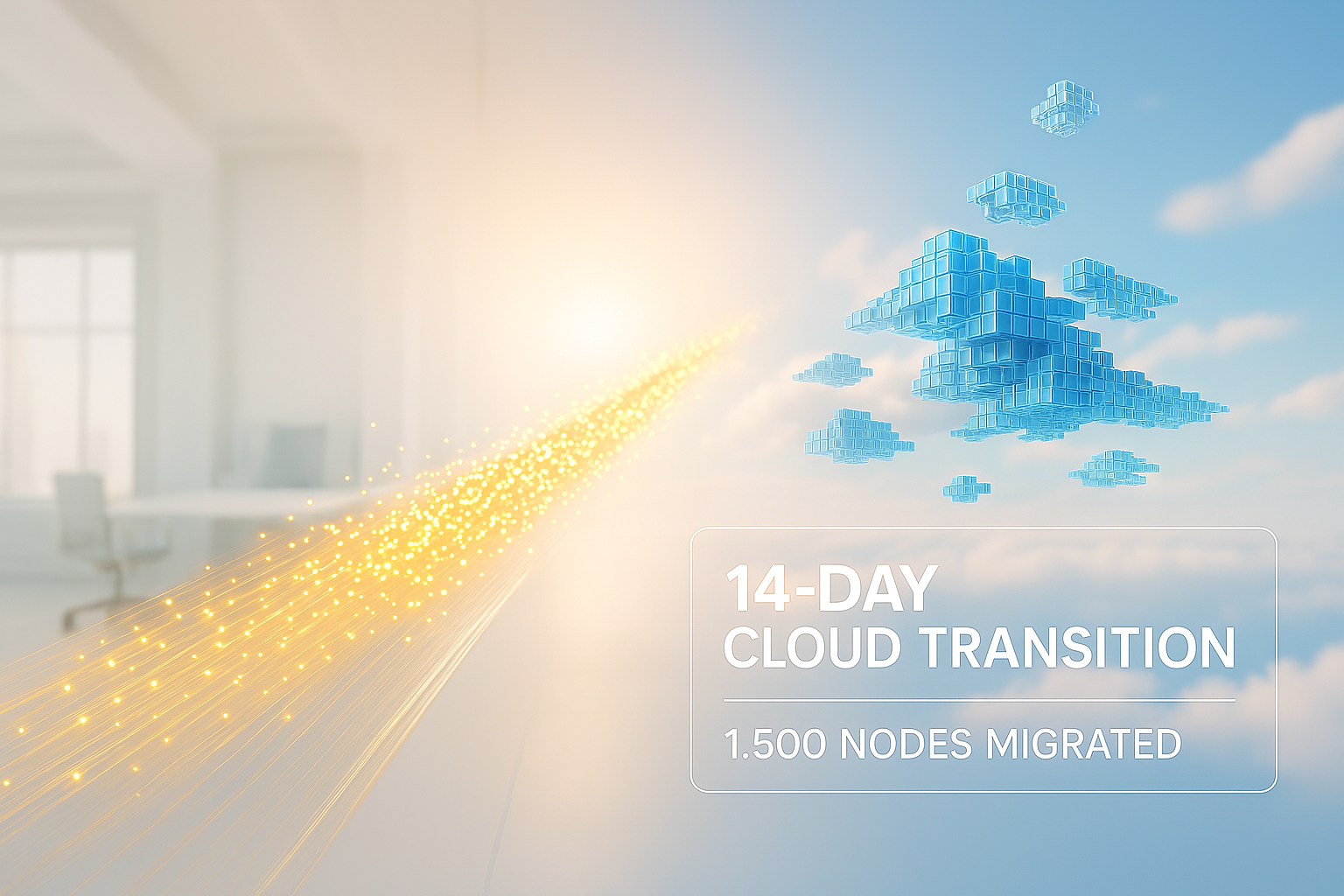
In March 2020, the concept of a “scheduled update” vanished from the lexicon of systems engineers worldwide. While global headlines were consumed by the pandemic, our team at MedaTech System Ltd embarked on a mission that would typically require six months of meticulous architectural planning. We were tasked with transitioning 1,500 employees from a stable, perimeter-based office environment to a fully functional, hardened cloud infrastructure and we had to execute “yesterday.” This is the chronicle of a 14-day technological blitz that redefined our operational limits without disrupting a single core business process.
Zero Trust Implementation in an MSP Environment
Why Trust Must Be Earned, Never Assumed
For the Israeli IT sector, 2019 served as a jarring wake-up call, Managed Service Providers (MSPs) had officially become a “gold mine” for cyber adversaries. For far too long, the industry harbored a dirty secret, we built impenetrable fortresses for our clients while leaving a wide-open backdoor for administrative convenience. By mid-2019, it was undeniable that the concept of a “trusted perimeter” was obsolete. For an MSP managing dozens of disparate infrastructures, the classical administrative access model had mutated into the single greatest threat to business continuity. Should a hacker compromise even a single technician’s account, they gain the “keys to the kingdom” – unfettered, lateral access to the sensitive data of every client simultaneously. This transforms a local incident into a systemic catastrophe.

99.99% Reliability
Why “Just a Bug” is Not an Option in Biotech
Engineering for the Major Leagues — Insights from the Front Lines of System Audits
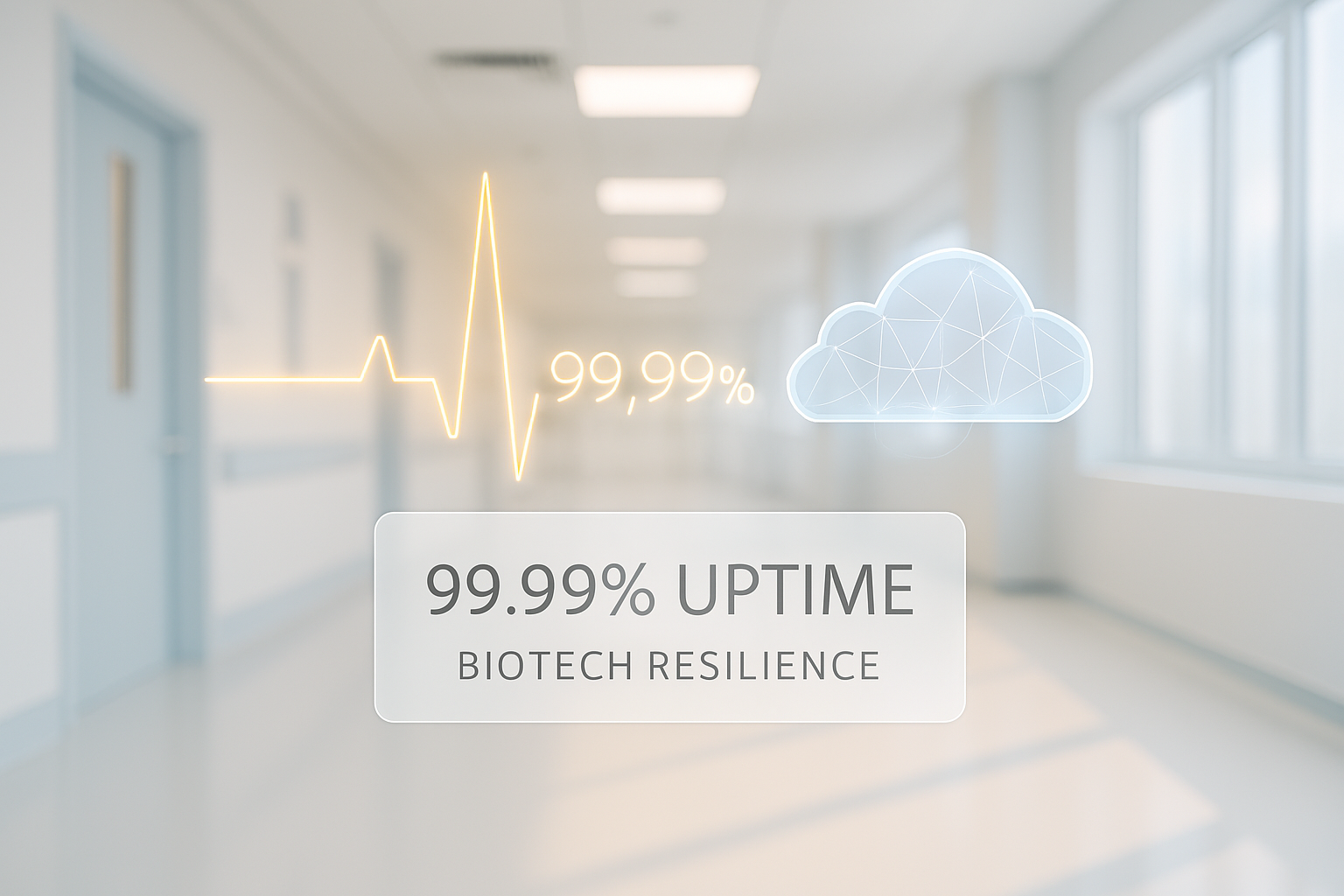
In standard software development, a system failure is often dismissed as a mere bug to be addressed in the next patch cycle. However, within the Israeli biotech sector -working alongside industry titans like Novocure – engineers confront a starkly different reality. Here, a system outage is not just an entry in a log file; it is a severed lifeline between a patient and their chance at recovery. For me, a 99.99% uptime rating has never been a vanity metric for a quarterly report or a marketing slogan. It is a personal ethical baseline and a technical mandate for which I am held strictly accountable. This is the story of engineering “digital resuscitation” infrastructure, where the cost of a single minute of downtime is far too high to be measured in mere dollars.
Infrastructure Under the NASDAQ Microscope
Engineering for the Major Leagues — Insights from the Front Lines of System Audits
Israel has long been synonymous with the “Start-up Nation” brand. However, behind the veil of audacious innovation lies a far more demanding reality: the ruthless operational discipline of a mature technology sector. When a local enterprise scales to a NASDAQ listing, the era of unbridled experimentation ends. The rules of the engagement are no longer dictated solely by market fit or board directives; international regulators take the helm. Infrastructure instantaneously ceases to be a mere collection of hardware and code—it becomes a high-stakes asset under total financial and legal scrutiny. My tenure at the heart of Israel’s premier tech hubs, supporting giants such as Novocure and StoreDot, revealed a definitive truth: the moment a client’s shares begin flickering on New York trading terminals, the abstract concept of “cybersecurity” gains a formidable name—the Sarbanes-Oxley Act (SOX). This mandate does not request compliance; it demands it.